

Search engine optimization (SEO) remains a cornerstone for attracting qualified traffic to a website.
However, in an increasingly competitive digital landscape, a comprehensive, multi-channel approach is essential for optimizing your site's performance.
In this article, we present five strategies that, when used in combination, will help you increase traffic to your website while ensuring that you meet the expectations of both users and search engines.
1. Website accessibility
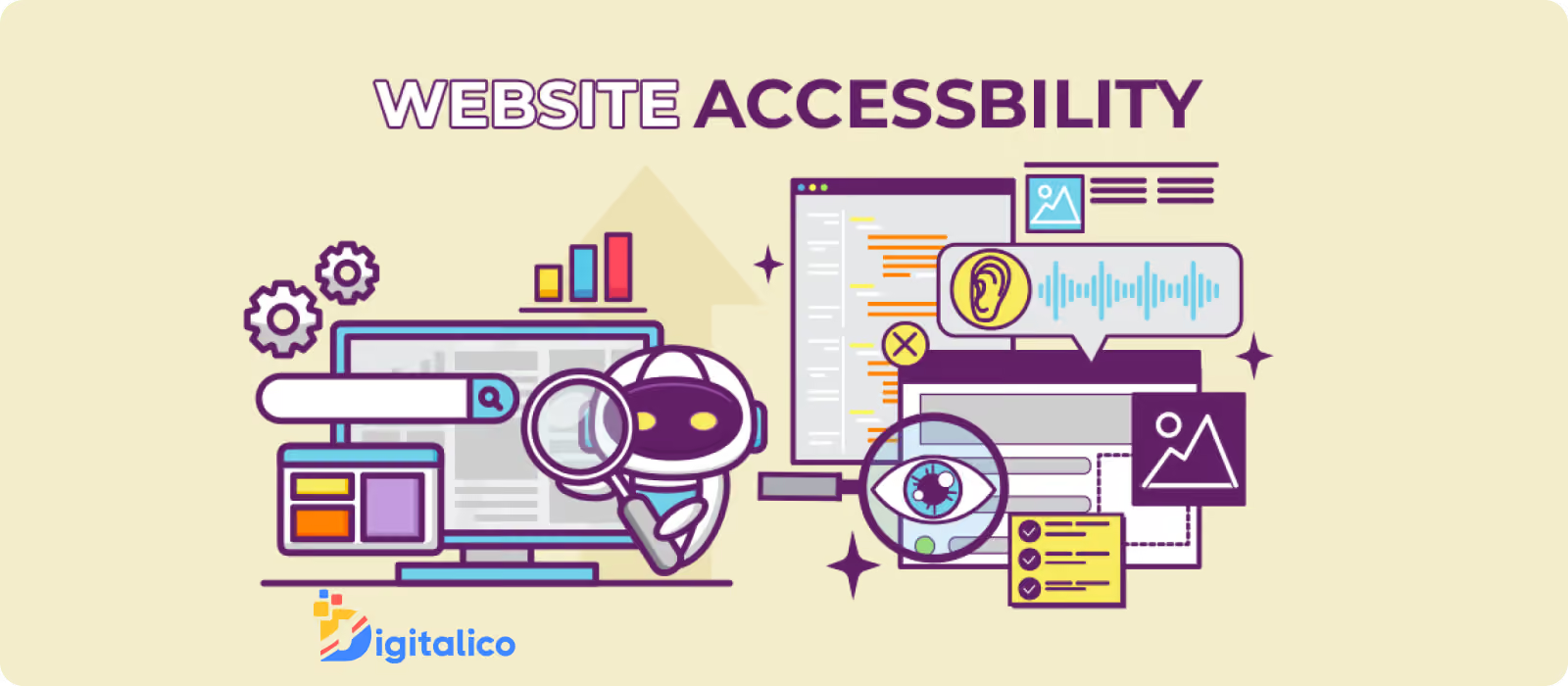
Website accessibility is the primary area to address in order to ensure optimal online visibility.
A well-structured, technically optimized site that is easily accessible to search engines is essential for attracting visitors and fostering long-term loyalty.
The site structure
The structure of a website is strategically important because it determines how users interact with your content and how search engines crawl and index your site.
A clear and well-organized structure makes it easier for users to navigate, while optimizing the work of search engine robots.
Technical optimization therefore constitutes the first step in establishing lasting visibility for your site. This optimization includes, among other things, checking server speed, correcting 404 errors, optimizing URLs and resolving broken links.
These elements, although they may seem technical, play an essential role in user experience and natural referencing.
The ergonomics of the site, or its design, is also a determining aspect. A well-designed site, with an intuitive user interface (UI), makes it easy for visitors to find what they are looking for, improving their overall experience.
This includes clear menus, visible action buttons and a prioritization of information that matches user expectations.
Finally, the internal linking, or the way in which the different pages of your site are linked to each other, is a central element of the structure.
Effective internal networking helps direct visitors to relevant and related content, while facilitating exploration by search engines.
This not only helps improve SEO, but also increases time spent on your site, an important factor for ranking in search results.
The importance of being mobile-friendly for SEO

Making a website adaptable to mobile devices is a necessity today.
With an increasing share of internet traffic coming from smartphones and tablets, it is essential that your site offers an optimal user experience on these devices.
A "mobile-friendly" site is not just one that displays correctly on small screens; it is a site that is fast, easy to navigate, and features a user interface tailored for mobile use.
Responsive design—which allows a site to automatically adjust to the screen size—has become the standard.
However, it is also important to ensure that loading times are optimized for mobile connections, which are often slower than those used on desktop computers.
Interactive elements must be easily accessible, and buttons should be large enough to be used without difficulty.
"Mobile-first" indexing, introduced by Google, highlights the importance of being mobile-friendly for SEO. Google now prioritizes the mobile version of your site for indexing and ranking purposes.
A website that is not optimized for mobile risks losing its position in search results, which can have a direct impact on your traffic.
It is recommended to regularly test your site’s mobile compatibility using tools such as Google’s Mobile-Friendly Test.
These tools allow you to identify potential issues and fix them, ensuring a seamless user experience across all types of devices.
Ensuring that one's website is accessible to search engines
For a website to attract traffic, it must be properly indexed by search engines.
Ensuring search engine accessibility involves configuring and providing specific technical files—such as `sitemap.xml` and `robots.txt`—as well as regularly monitoring the indexing status of your pages.
The sitemap.xml file lists all the pages on your site that you want to be indexed.
It serves as a guide for search engines, making it easier for them to crawl your content—which is especially useful for large websites or those containing dynamic content.
The robots.txt file, meanwhile, allows you to specify which pages should not be crawled by search engine bots.
An incorrect configuration of this file can lead to indexing errors, inadvertently excluding important pages from Google’s index.
160
It is therefore important to regularly check your content to avoid any negative impact on your online visibility.
Finally, checking the cached version of your pages particularly on Google allows you to see how your content is interpreted and displayed by search engines.
If certain sections of your site do not appear in the cached version, it may indicate accessibility issues that need to be addressed promptly.
2. User experience

Once you have addressed your site’s accessibility, user experience serves as the second fundamental lever for attracting and retaining visitors.
A site that offers smooth, pleasant navigation encourages users to explore further, return, and recommend your site to others—all of which helps to increase traffic.
Loading times
Website loading times are a decisive factor for both user experience and search engine optimization (SEO).
A site that loads quickly is not only more pleasant to use but also ranks better in search results.
Google places particular importance on loading speed, as it directly influences user satisfaction.
Studies show that a loading time exceeding three seconds can lead to a significant loss of traffic.
Today’s users expect an immediate response; if a page takes too long to load, they may leave the site before even viewing its content.
This behavior increases the bounce rate, which can negatively impact your search engine optimization (SEO).
Several measures can be taken to improve loading times.
Image compression is a simple and effective way to reduce page weight. Images are often the heaviest elements to load, and proper compression can shrink their file size without any noticeable loss in quality.
Reducing the number of non-essential JavaScript and CSS scripts can also help speed up page loading. Large scripts can slow down rendering, especially on mobile devices.
Additionally, using a caching system allows certain resources to be stored locally, reducing the time required to reload them during subsequent visits.
Website hosting also plays a crucial role. High-quality hosting ensures good server responsiveness, even during periods of high traffic, which is essential for maintaining fast loading times.
Tools such as Google’s PageSpeed Insights or GTmetrix can help identify areas for improvement regarding loading speed and provide tailored recommendations.
However, the goal should not be to achieve a perfect score on these tools, but rather to implement the optimizations that will have the greatest impact on the user experience.
Accessibility of content
Content accessibility is an essential aspect of user experience, and it plays a determining role in how visitors interact with your site.
Content must be easily accessible, well organized, and relevant to meet user expectations.
Page depth, i.e. the number of clicks necessary to access content from the home page, must be limited.
Content that is too buried in the site structure is less likely to be found, both by users and search engines.
To optimize accessibility, it is recommended to follow the "three-click rule": a user should be able to reach any page on the site in three clicks or fewer, starting from the homepage.
Internal linking is another crucial aspect of content accessibility. By creating links between the various pages of your site, you make navigation easier for users and improve their overall journey.
Effective internal linking also helps search engines better understand your site's structure and content hierarchy, which can facilitate indexing and improve search rankings.
It is also important to ensure that content is well-organized and easy to read. A clear hierarchy—using headings and subheadings, short paragraphs, and visual elements to break up the text—enhances both readability and accessibility.
Well-structured, relevant content encourages visitors to explore your site further, thereby increasing the time they spend on it and, consequently, boosting qualified traffic.
Building audience loyalty
Building audience loyalty is a key objective for maintaining a steady flow of qualified traffic to your website. A loyal audience returns regularly, engages with your content, and shares their experiences, thereby contributing to an increase in traffic.
Email marketing is one of the most effective strategies for fostering audience loyalty.
By creating personalized and targeted email campaigns, you can maintain regular contact with your visitors, provide them with exclusive content, and encourage them to return to your site.
Email marketing also allows you to segment your audience and deliver relevant messages to each group, which helps improve conversion rates.
Social media also plays a major role in building audience loyalty.
An active and engaging presence on social media helps create a community around your brand, allows for the sharing of relevant content, and facilitates dialogue with your users.
By using social media to promote your content, you can drive traffic to your website while simultaneously strengthening audience loyalty.
Finally, creating high-quality, consistent, and relevant content is essential for building audience loyalty.
Visitors who find value in your content are more likely to return regularly to discover your new posts.
To achieve this, it is important to maintain an editorial calendar, diversify your formats (articles, videos, infographics), and consistently address the needs and expectations of your audience.
3. Quality content

Content is one of the most powerful levers for driving traffic to a website.
High-quality, relevant content that is well-optimized for SEO not only captures the attention of visitors but also strengthens the site’s ranking in search engine results.
Creating engaging content
To ensure your website stands out in a crowded digital landscape, it is essential to create engaging content that meets the needs and expectations of your target audience.
Engaging content is content that captures attention, sparks interest, and encourages interaction—whether through comments, shares, or conversions.
The first step in creating engaging content is to truly understand your audience. What are their interests? What problems are they looking to solve? What types of content do they prefer to consume (articles, videos, infographics)?
By answering these questions, you can design content that resonates with your audience and addresses their specific needs.
It is also important to diversify your content formats. A well-written blog post might attract one type of visitor, while an informative video could capture the attention of a different audience.
By diversifying your formats, you increase your chances of engaging a broader audience.
Storytelling is an effective technique for making your content more engaging. By weaving a story around your topic, you create an emotional connection with your audience, making your content more memorable and more likely to be shared.
Content optimization for SEO
Creating quality content is not enough if that content is not optimized for search engines. SEO optimization of your content is essential to ensure that it is visible and easily found by your target audience.
Optimization starts with keyword research. This involves identifying the keywords and phrases that your audience uses to search for information on the topics you cover.
Once these keywords are identified, they should be integrated naturally into your titles, subtitles, texts, meta tags and image descriptions.
Content length is another factor to consider. Although long-form content tends to rank better in search results, it is important to maintain relevance and interest throughout the article.
The content should be in-depth enough to answer the user's questions, while remaining concise and enjoyable to read.
Incorporating internal and external links is also a good SEO practice.
Internal links help guide users to other relevant content on your site, while external links to credible sources reinforce the value and credibility of your content.
The regularity and relevance of the publications
Consistency in publishing is a key factor in maintaining your audience's interest and signaling to search engines that your site is active.
A well-planned editorial calendar allows you to regularly publish fresh content, which can improve your ranking in search results.
However, it is important not to sacrifice quality for the sake of quantity. Every post should provide genuine value to your audience.
It is better to publish less frequently—but consistently—with well-researched, relevant content, rather than producing low-quality material at a high volume.
Your posts should address the current needs of your audience and adapt to market trends.
By staying attuned to your audience and monitoring industry developments, you can adjust your content strategy to ensure it remains relevant and effective.
4. Social media

Creating a content strategy for social media
To make the most of social media, it is essential to develop a clear and consistent content strategy.
This strategy must be aligned with your overall marketing and traffic objectives and adapted to the specificities of each platform.
The first step is to identify the social media platforms most relevant to your target audience.
Each social network has its own unique demographic and behavioral characteristics; therefore, it is important to focus your efforts on the platforms where your audience is most active.
Next, you will need to create content specifically designed for each platform. For instance, visual content and videos tend to perform better on Instagram and TikTok, whereas in-depth articles and analyses are better suited for LinkedIn.
By adapting your content to the formats and expectations of each social network, you maximize your chances of engaging your audience.
Planning is also a key aspect of your social media strategy.
A regular posting schedule—combined with timing your posts for when engagement is highest—allows you to maintain a consistent presence on social media and improve the visibility of your content.
Interaction with the community
Interacting with your community on social media is essential for building trust and fostering loyalty among your audience.
Responding to comments, participating in discussions, and thanking your followers for their interactions show that you value their engagement and are attentive to their needs.
Interaction goes beyond direct replies. Organizing polls, Q&A sessions, or contests are all effective ways to actively engage your community.
These interactions boost your brand's visibility and can encourage your followers to visit your website to learn more.
The importance of influencers and partnerships
Partnerships with influencers and other brands can also play a significant role in increasing traffic to your website.
Collaborating with influencers whose audience matches your target demographic allows you to reach a new group of people while leveraging their credibility and influence.
It is important to choose partners whose values and audience align with your own. An authentic, well-thought-out collaboration can not only boost traffic but also strengthen your brand image and credibility.
You can use the analytics tools built into each platform to measure the impact of your posts and adjust your strategy based on performance.
5. Paid search (SEA)
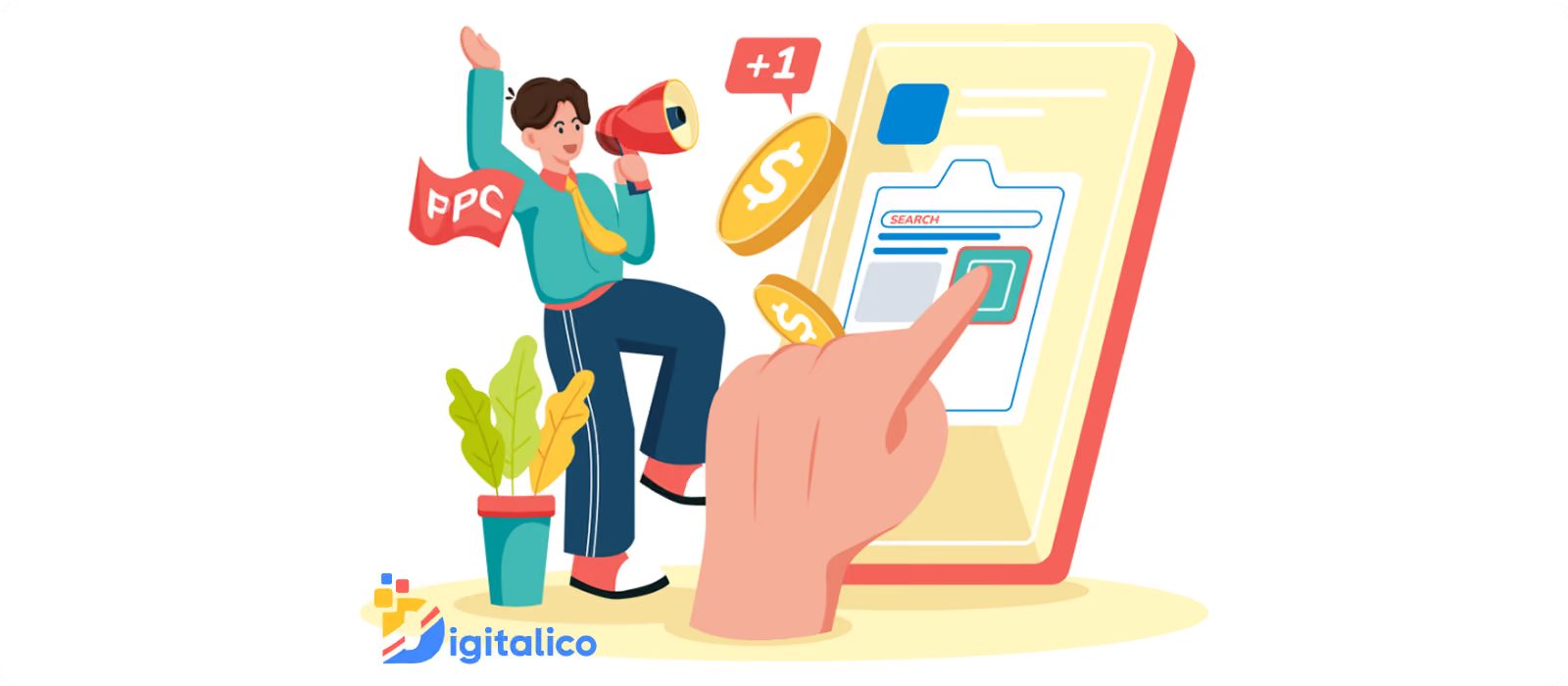
Paid search, or SEA (Search Engine Advertising), is an effective lever for rapidly increasing traffic to your website, especially when combined with a natural search (SEO) strategy.
Creating targeted advertising campaigns
SEA allows you to display advertisements on search engines, social media, and other platforms, specifically targeting users likely to be interested in your products or services.
To maximize the effectiveness of these campaigns, you must clearly define your target audience and select the most relevant keywords.
Audience segmentation is a key aspect of SEA (Search Engine Advertising). By segmenting your audience based on demographic, geographic, and behavioral criteria, you can create advertising campaigns tailored to each segment, which improves conversion rates and return on investment (ROI).
It is also important to craft engaging and compelling ads that include clear calls to action.
An effective ad should capture the user's attention and encourage them to click to learn more.
Ad extensions—such as sitelinks, call extensions, and reviews—can also be used to increase the visibility and effectiveness of your advertisements.
Advertising budget optimization
One of the main challenges in SEA (Search Engine Advertising) is optimizing your advertising budget to maximize ROI.
This requires rigorous bid management, regular analysis of ad performance, and continuous adjustment of strategies based on the results.
It is advisable to start with A/B testing to evaluate the effectiveness of different ads, keywords, and target audiences. These tests help identify the best-performing combinations, allowing you to adjust your budget accordingly.
Using automated bidding strategies can also help optimize costs while maximizing performance.
These tools automatically adjust bids based on defined objectives, such as cost per acquisition (CPA) or return on ad spend (ROAS).
Measuring campaign performance
To ensure the success of your SEA campaigns, it is essential to track and analyze their performance in real time.
Analytics tools within advertising platforms, such as Google Ads or Facebook Ads, provide valuable data on clicks, conversions, and costs.
Performance analysis should be an ongoing process, allowing for campaign adjustments based on the results achieved.
For example, if certain ads generate a good click-through rate but few conversions, it may be necessary to revisit the landing page or the call to action.
It is also important to compare the performance of SEA campaigns against other traffic sources, in order to evaluate their overall impact on site traffic and their contribution to your marketing objectives.
Conclusion
Increasing traffic to your website requires a strategic, integrated approach that leverages various tools to attract and retain a qualified audience.
Technical accessibility, user experience, content quality and optimization, social media engagement, and paid search advertising are all levers that, when combined, can make a significant difference.
By staying attuned to your audience's needs and continuously adapting your strategy, you can maximize the impact of your efforts and ensure a steady, growing flow of traffic to your website.


